
Guide
Find out how to care for natural stone and composite, how to prepare for an installation and what causes the natural characteristics of the material. We have gathered the most important information on use, maintenance and installation of stone products.
See moreEverything worth knowing before an installation
Natural stone and quartz sintered materials are exceptional – durable, elegant and unique. We have prepared the most important information on care, use, installation and natural properties of the material to help you better prepare for a project and everyday use of stone products.
How to care for stone surfaces
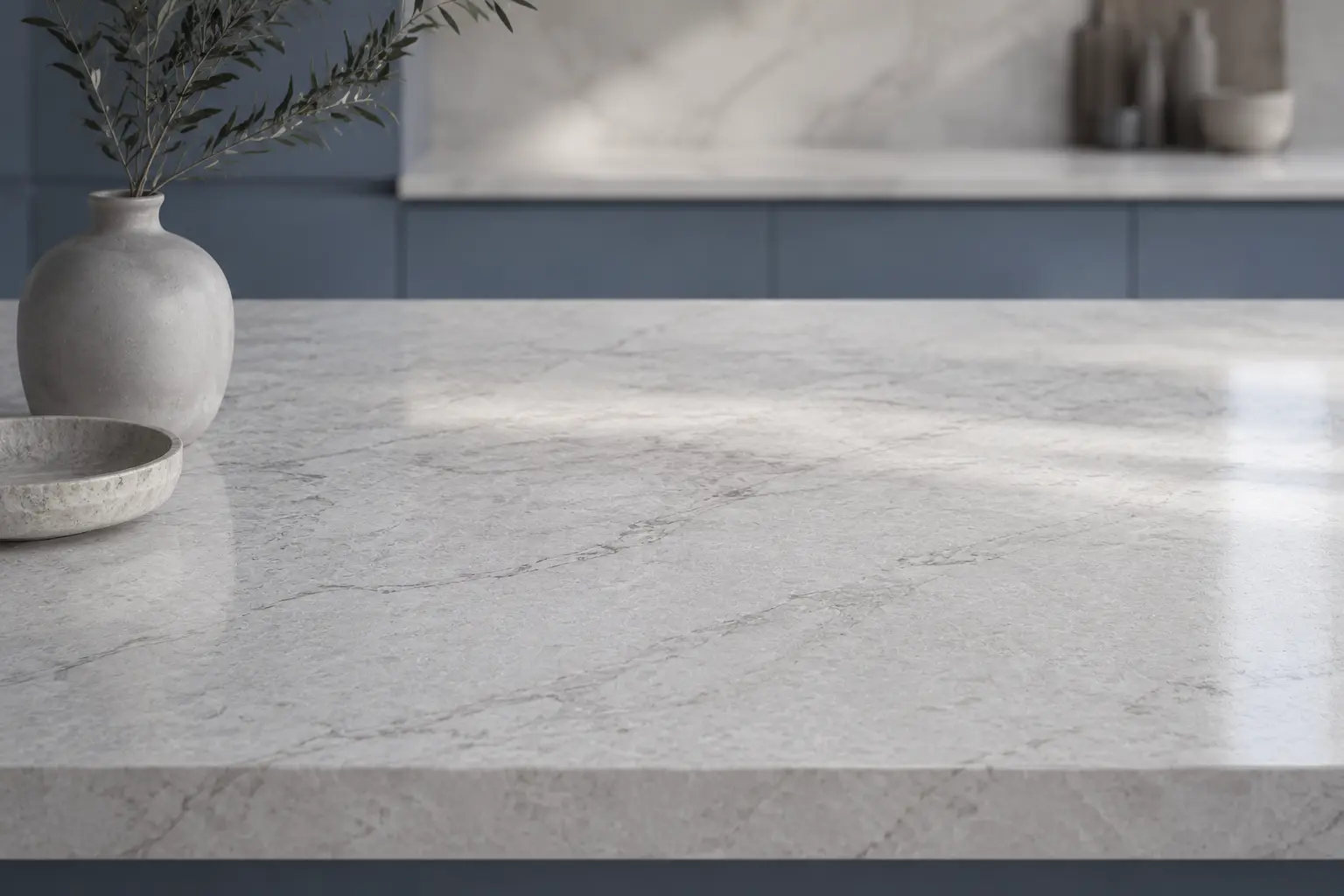
Natural stone and sintered materials are durable and resistant, but proper care preserves their appearance for many years. Regular cleaning, appropriate sealing and avoiding aggressive detergents protect the surface from discolouration, loss of shine and excessive wear.
View materials ›Cleaning and safe care
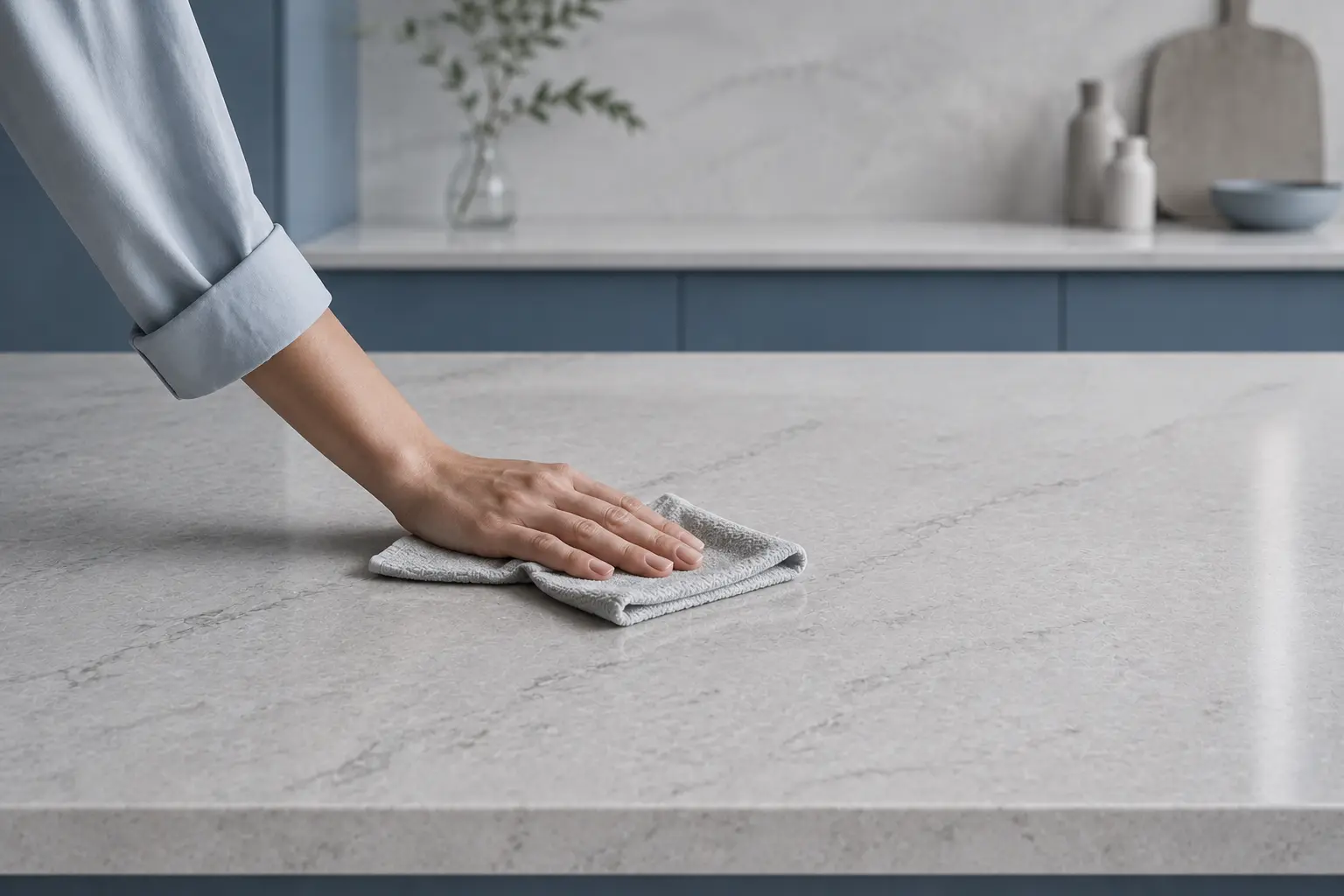
For daily cleaning, use a soft cloth, clean water or products designed for natural stone. We recommend avoiding strong detergents with high or very low pH and not leaving dirt on the surface for extended periods.
View offer ›Sealing and surface protection
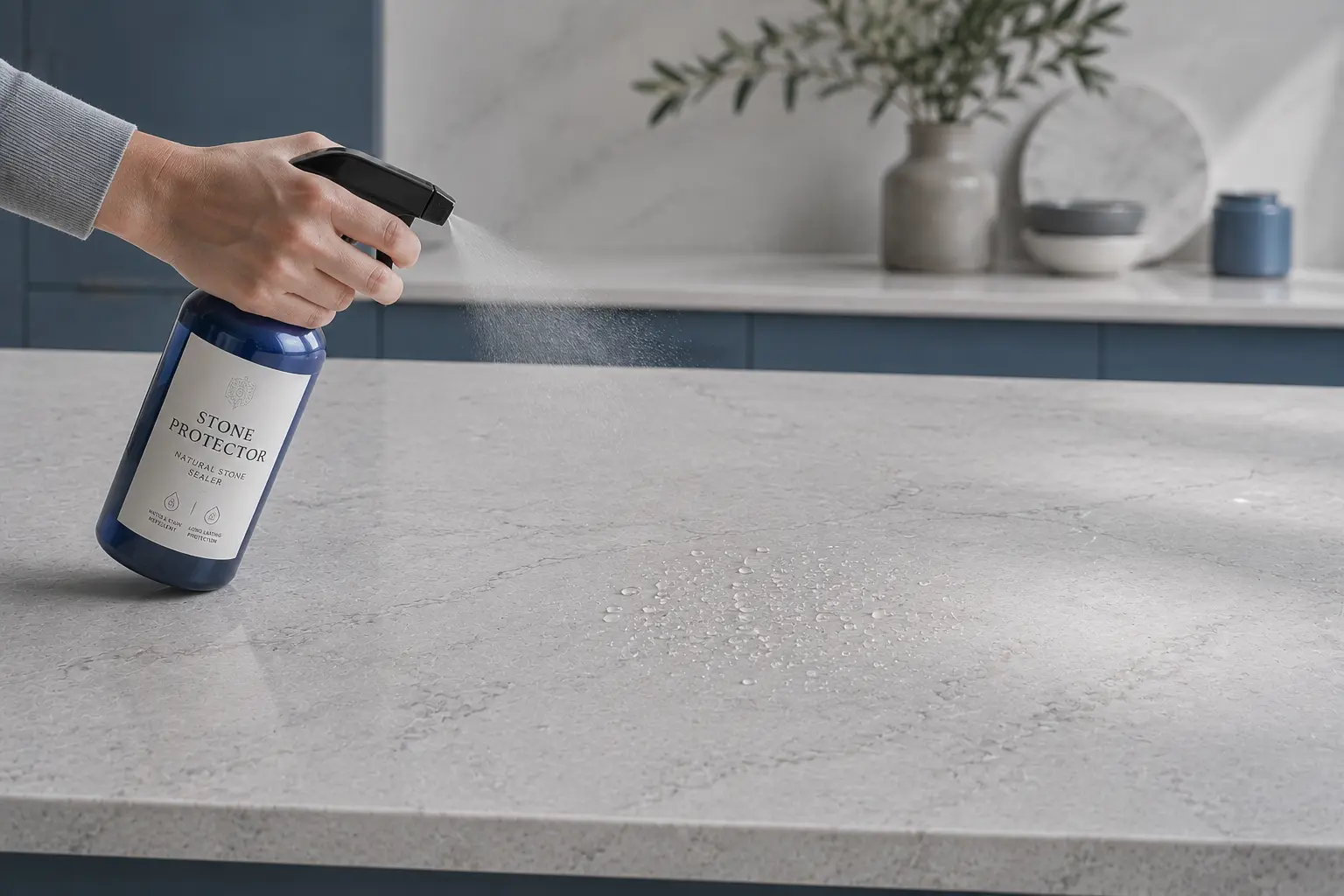
Natural stone has a micro-porous structure, so periodic sealing helps reduce absorbency and lowers the risk of staining. The frequency of sealing depends on the type of material and the intensity of surface use.
View projects ›Natural properties of the material
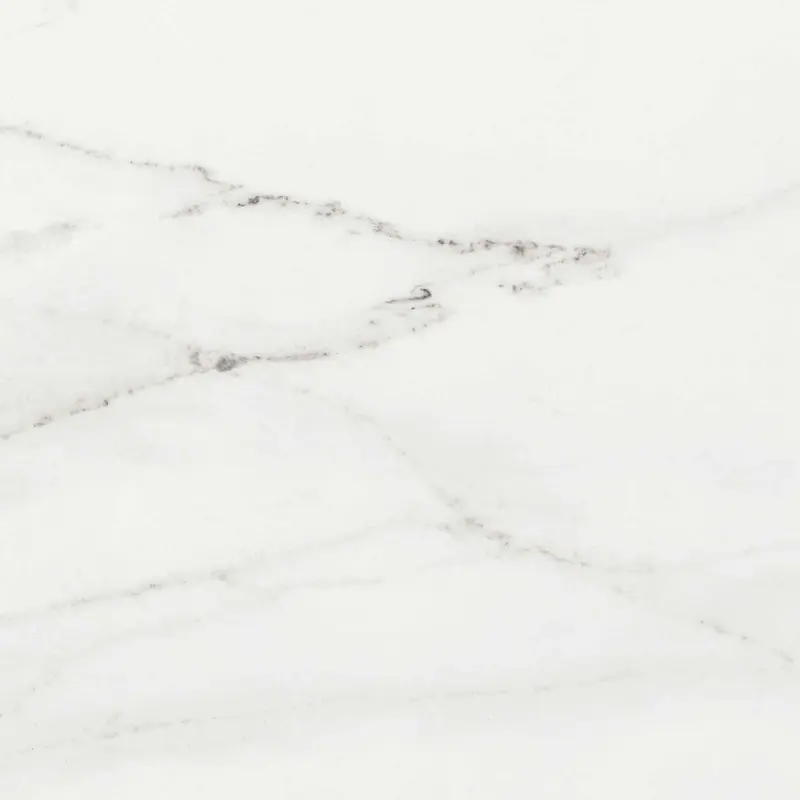
Every stone slab is unique. Differences in veining, structure, shade or pattern distribution are a natural characteristic of the material and confirm its authentic origin. Subtle colour differences may also appear after sealing or at joints.
View materials ›Preparation for measurement and installation
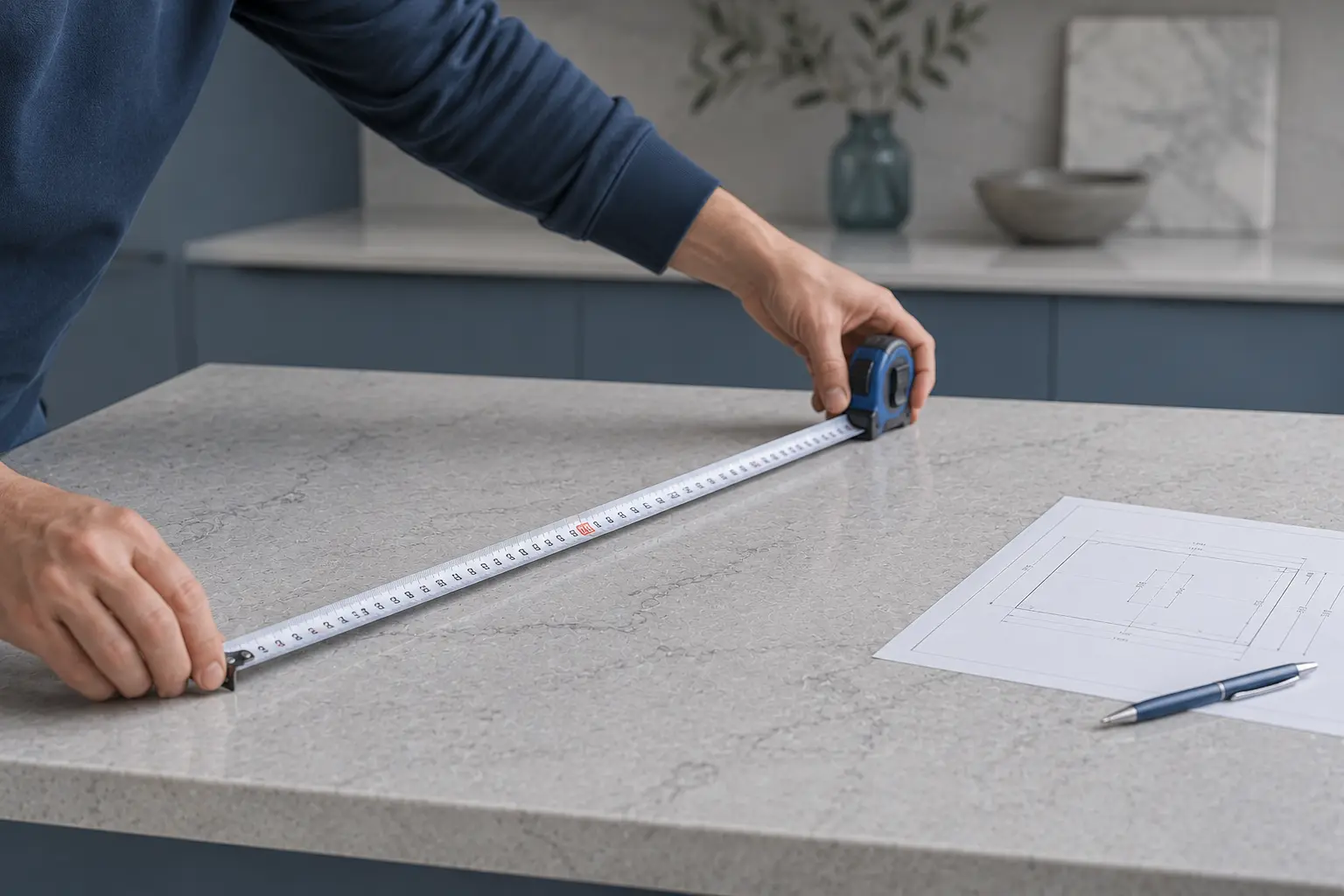
Before taking measurements, all cabinet and structural elements should be in their final position and properly levelled. After measurement, the position of cabinets or supporting structures must not be changed.
Write to us ›Technical information and tolerances
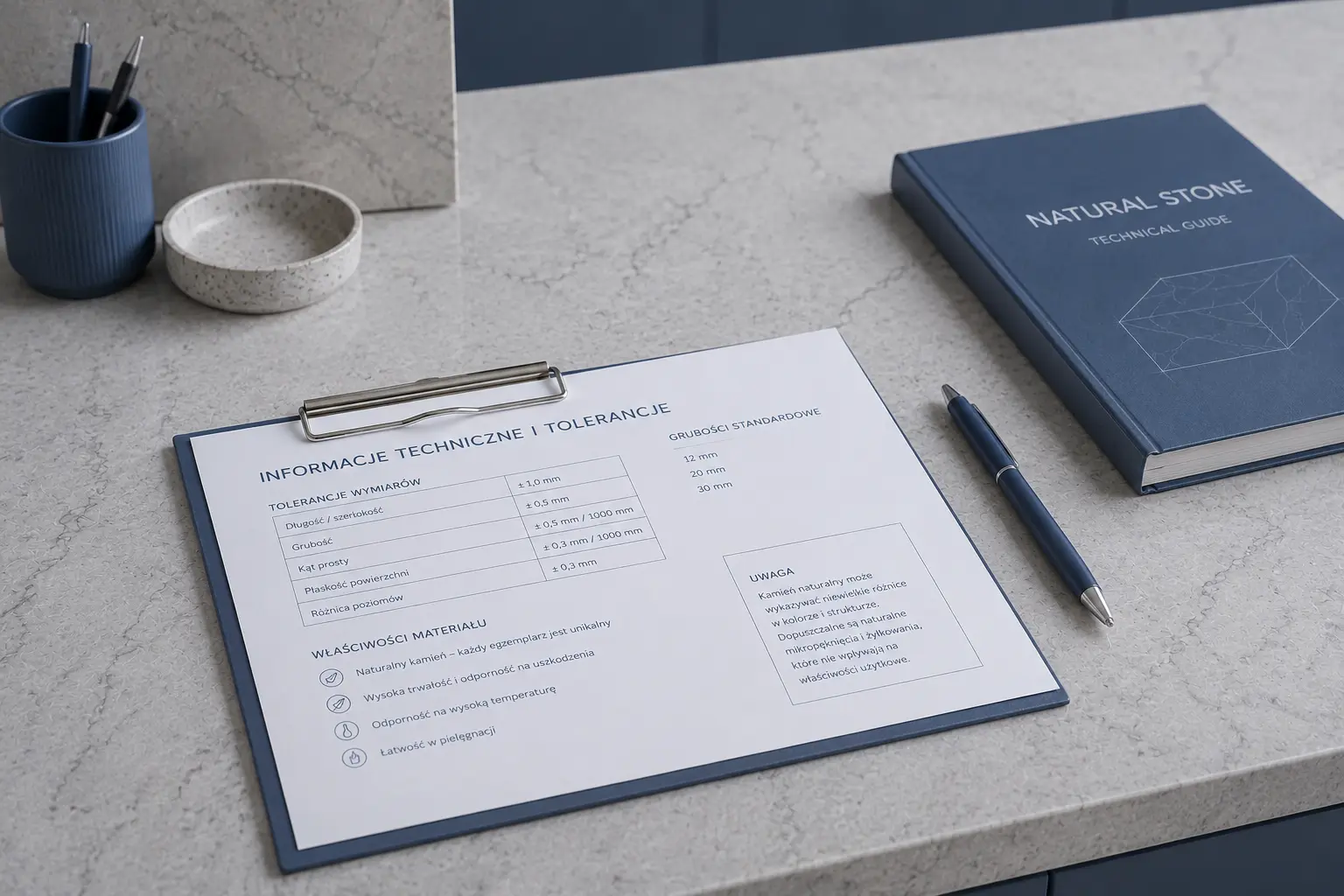
Due to the specific nature of the material and the production process, small dimensional and installation tolerances are acceptable. This applies to cutting, bonding, material thickness and height at countertop joints.
View offer ›

